
Masked Depression: When the Symptoms Look Different Than You Expect
- Sep 29, 2025
- 4 min read
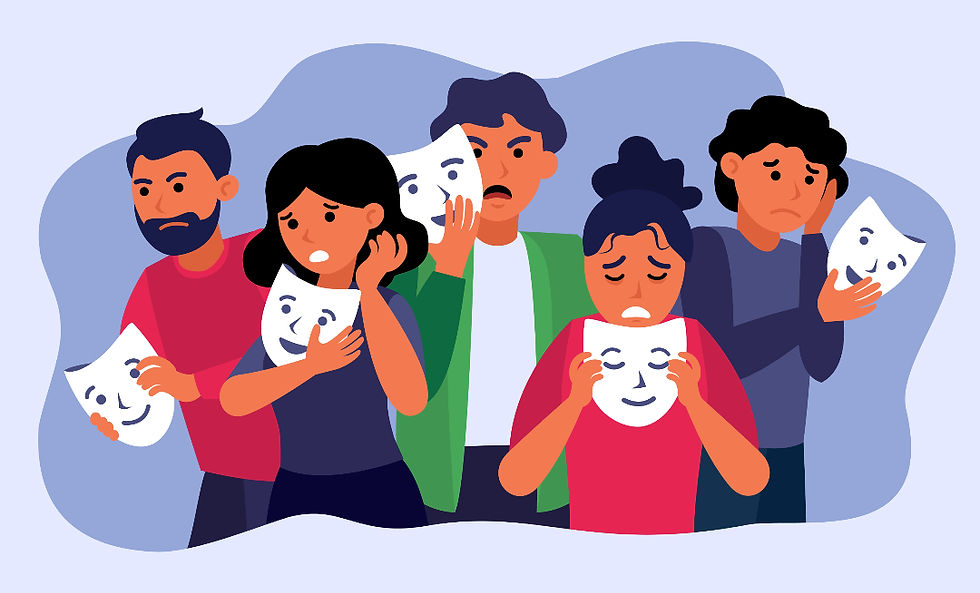
When people think of depression, they usually imagine someone who looks sad, cries often, and has trouble getting out of bed. But not all depression looks like that. In fact, many people with masked depression hide their suffering behind a smile, humor, or a busy lifestyle.
At Progressive Pathways Psychiatry, we see many patients who have struggled for years because their symptoms didn’t fit the “classic” picture of depression. They often say:
“I never thought I was depressed—I just thought I was tired.”
“Everyone tells me I’m fine, but inside, I feel like I’m drowning.”
“I keep up with work and family, but it feels like I’m living on autopilot.”
This blog explores what masked depression is, why it’s often missed, and how people can finally get the help they need.
On this page:
What Is Masked Depression?
Masked depression is a term used to describe depression that doesn’t show up in obvious ways. Instead of sadness, it may appear as physical complaints, irritability, or over-functioning.
The World Health Organization explains that depression is the leading cause of disability worldwide—but many cases remain undiagnosed because symptoms are misinterpreted or hidden.
Common Signs of Masked Depression
Unlike typical depression, masked depression may not look like withdrawal and sadness. Instead, it can include:
Chronic physical symptoms – frequent headaches, stomach pain, backaches.
Irritability or anger – snapping at small things, being easily frustrated.
Overworking or perfectionism – throwing oneself into tasks to avoid feelings.
Substance use – using alcohol or drugs to cope.
Social performance – smiling, joking, or appearing “fine” while struggling inside.
Restlessness or fatigue – always tired despite adequate sleep.
The Cleveland Clinic notes that depression often affects the body as much as the mind—making masked depression easy to confuse with physical illness.
Why Do People Hide Their Depression?
Masked depression is often unconscious. People don’t deliberately “fake” being okay—it’s more about survival.
Reasons include:
Cultural expectations – Some communities view depression as weakness.
Gender norms – Men, in particular, may express depression through irritability or workaholism.
Fear of stigma – Worry about being judged or misunderstood.
Lack of awareness – Many don’t recognize physical symptoms as depression.
The National Alliance on Mental Illness (NAMI) emphasizes that stigma remains one of the biggest barriers to seeking help.
How Masked Depression Differs From Other Types
Major Depression: Clear sadness, withdrawal, hopelessness.
High-Functioning Depression (Dysthymia): Ongoing low mood, but still maintaining responsibilities.
Masked Depression: Symptoms present as physical illness or irritability instead of emotional sadness.
Real-Life Impact of Masked Depression
Masked depression can disrupt every area of life because it isn’t recognized until it becomes severe.
Work – People may burn out from overworking to distract themselves.
Relationships – Irritability and emotional distance strain connections.
Health – Chronic pain and fatigue worsen due to untreated depression.
Self-esteem – People feel guilty for “not being happy” even though life looks good on the outside.
Diagnosing Masked Depression
At Progressive Pathways Psychiatry – Dallas & Fort Worth, we use:
Detailed Medical Evaluation – To rule out physical causes of symptoms.
Mental Health Screening – Assessing mood, behavior, and coping patterns.
Patient History – Identifying stressors, trauma, or personality tendencies.
Because masked depression often shows up as physical illness, many patients first visit their primary care doctor before being referred to psychiatry.
Treatment Options for Masked Depression
The good news: masked depression is treatable. Once identified, it responds to the same evidence-based therapies as other depressive disorders.
1. Therapy
Cognitive Behavioral Therapy (CBT) – Helps uncover negative thought patterns hidden beneath symptoms.
Psychodynamic Therapy – Explores unconscious emotions fueling physical complaints.
Trauma-Informed Therapy – Addresses past experiences that may contribute to emotional suppression.
2. Medication
Antidepressants (SSRIs, SNRIs) can rebalance brain chemistry, improving both emotional and physical symptoms.
3. Lifestyle Changes
Regular exercise
Healthy sleep routines
Stress-reduction practices like mindfulness or yoga
4. Integrated Care
At Progressive Pathways Psychiatry, we collaborate with primary care doctors to ensure both physical and emotional health are addressed.
Coping Strategies for Patients
Pay Attention to Patterns – If headaches or fatigue worsen during stress, it may signal depression.
Be Honest With Providers – Share emotional as well as physical symptoms.
Challenge Stigma – Recognize that needing help doesn’t mean weakness.
Seek Support – Talking with friends, family, or support groups reduces isolation.
The National Institute of Mental Health emphasizes that early treatment prevents worsening and improves recovery outcomes.
When to Seek Professional Help
Consider reaching out if:
Physical symptoms persist despite medical treatment.
Irritability or anger interferes with relationships.
You feel disconnected from joy even when life looks “fine.”
You rely on alcohol, drugs, or overworking to cope.
How Progressive Pathways Psychiatry Helps
At Progressive Pathways Psychiatry – Dallas, TX | Fort Worth, TX, we:
Listen without judgment to both physical and emotional symptoms.
Offer comprehensive evaluations to identify masked depression.
Provide personalized treatment plans combining therapy, medication, and lifestyle guidance.
Support families and communities in understanding hidden depression.
Our mission is to help patients uncover what’s behind the mask—so they can find real healing.
Conclusion
Not all depression looks the same. Masked depression often hides behind physical symptoms, irritability, or constant busyness. Because it doesn’t match the typical “sadness” picture, it’s frequently overlooked.
But with the right support, patients can learn to recognize the signs, break free of stigma, and reclaim their mental health
At Progressive Pathways Psychiatry in Dallas and Fort Worth, we’re here to help patients remove the mask, face depression with courage, and begin a journey toward authentic healing.
References
World Health Organization – Depression
Cleveland Clinic – Depression
National Alliance on Mental Illness – Depression
National Institute of Mental Health – Depression Basics




Comments