
OCD and ADHD | Comorbid Symptoms and Treatment in Dallas
- Oct 14, 2025
- 4 min read
Living with a mental health condition can be challenging. Living with two at once can feel overwhelming. For many adults, obsessive-compulsive disorder and attention-deficit hyperactivity disorder occur together. Understanding how these conditions overlap is the first step toward relief.
This guide explains what it means to have both OCD and ADHD, how experts diagnose and treat them, and where adults in Dallas can find compassionate, evidence-based care.
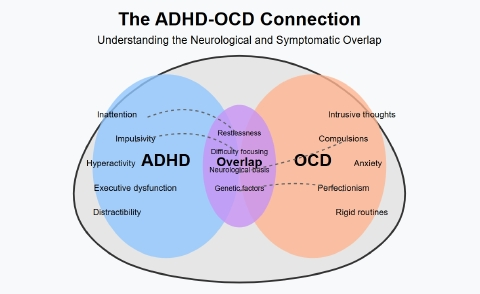
Understanding OCD and ADHD in Adults
Both OCD and ADHD affect how your brain manages thoughts, attention, and behavior, but in very different ways.
Obsessive-compulsive disorder (OCD) involves intrusive, unwanted thoughts that cause anxiety, followed by repetitive actions or mental rituals meant to reduce that anxiety. Common examples include checking, cleaning, or counting behaviors.
Attention-deficit hyperactivity disorder (ADHD) affects attention, organization, and impulse control. Adults with ADHD often struggle with focus, time management, and following through on tasks.
While OCD tends to push people toward rigid control, ADHD leans toward distraction and impulsivity. Yet for some, both conditions appear together and create a complex pattern of symptoms that can be hard to untangle.
When OCD and ADHD Occur Together
When two mental health disorders occur at the same time, they are called comorbid conditions. According to research from the National Institute of Mental Health (NIMH), comorbidity between OCD and ADHD is more common than many people realize.
Adults with both conditions may experience:
Trouble focusing because obsessive thoughts interrupt concentration
Repetitive behaviors that interfere with task completion
Impulsivity that increases anxiety or triggers compulsions
Difficulty finishing therapy exercises due to distraction or avoidance
This mix can make daily life frustrating. One symptom can worsen the other, making treatment feel more complicated. But the good news is that with the right care plan, progress is very possible.
Why Comorbidity Matters
Having both OCD and ADHD can impact nearly every area of life.
At work you might spend hours checking details to perfection yet still miss deadlines due to distractibility.
At home you might overthink small issues while leaving chores half done.
Emotionally you might feel drained, ashamed, or misunderstood.
These challenges are not signs of weakness. They are the result of brain-based differences that require the right balance of therapy, medication, and self-care.
Comorbidity also increases the risk of anxiety, depression, and burnout. That is why accurate diagnosis and integrated treatment are so important.
How Experts Diagnose OCD and ADHD Together
Diagnosis starts with a comprehensive psychiatric evaluation. A qualified mental health professional will ask about your medical history, current symptoms, and how they affect daily life.
You may complete screening questionnaires to assess patterns of attention, behavior, and anxiety. Clinicians often compare symptoms with the diagnostic criteria listed in the Diagnostic and Statistical Manual of Mental Disorders (DSM-5).
Because OCD and ADHD can look similar in some ways, careful assessment is essential. For example, both can cause difficulty finishing tasks, but for different reasons. In OCD, perfectionism or fear of mistakes can stall progress. In ADHD, forgetfulness or distraction are more likely causes.
Avoid self-diagnosis. Online tests or social media posts cannot capture the full picture. Working with a licensed psychiatrist or psychologist is the safest path toward understanding what is really happening.
Evidence-Based Treatments That Work
Medication
For OCD, doctors often prescribe selective serotonin reuptake inhibitors (SSRIs). These help reduce obsessive thoughts and compulsive behaviors by balancing serotonin levels.
For ADHD, treatment may include stimulant medications like methylphenidate or amphetamine, or non-stimulant options such as atomoxetine.
When both disorders are present, psychiatrists carefully adjust doses and timing to manage symptoms without worsening anxiety or focus. This balancing process should always be guided by a professional familiar with both conditions.
For more detailed information, see the NIH’s page on OCD treatments and NIMH’s ADHD resources.
Therapy Approaches
Medication helps many adults, but therapy provides lasting tools for change.
Cognitive Behavioral Therapy (CBT) is the most studied approach for both OCD and ADHD. CBT helps you challenge unhelpful thoughts and develop more flexible coping skills.
For OCD specifically, Exposure and Response Prevention (ERP) is a proven method. In ERP, you gradually face anxiety triggers without performing compulsive behaviors. Over time, anxiety fades and control returns.
For ADHD, therapy often focuses on skills for organization, time management, and emotional regulation. Therapists teach practical systems that make daily routines easier to manage.
Lifestyle and Self-Care
Small daily habits can strengthen recovery.
Mindfulness can help calm racing thoughts and improve focus.
Regular sleep and exercise support attention and mood.
Structured routines make it easier to manage time and reduce stress.
Support groups or online communities can reduce isolation and increase motivation.
Behavioral health experts at the National Center for Complementary and Integrative Health note that consistent routines and mindfulness-based strategies often improve outcomes when combined with medical treatment.
Finding Specialized Care in Dallas
If you live in the Dallas area, finding a provider who understands both OCD and ADHD is essential. A psychiatrist with experience in comorbid conditions can design a plan that fits your unique needs.
At Progressive Pathways Psychiatry, our Dallas-based clinicians provide personalized care for adults facing complex mental health challenges. We combine therapy, medication management, and lifestyle guidance to help patients regain balance and confidence.
Whether you are newly diagnosed or have been struggling for years, you do not have to face it alone. Expert care and compassionate support can help you move forward with OCD and ADHD: Comorbid Symptoms and Treatment in Dallas.
Taking the Next Step Toward OCD and ADHD Comorbid Symptoms and Treatment in Dallas
OCD and ADHD can make life feel chaotic and stressful, but they are both treatable. With the right combination of therapy, medication, and supportive care, real improvement is possible.
If you recognize these symptoms in yourself, take the first step today. Reach out to Progressive Pathways Psychiatry in Dallas to schedule an evaluation. Together, we can create a plan that helps you manage your mind, focus your energy, and live more freely.




Comments